
Skip to Content Skip to Footer
Wyoming WIC
Wyoming WIC
  • English
  • Español

Understanding Lead Poisoning
and Lead Testing

  • Lakay
  • Understanding Lead Poisoning and Lead Testing

  • What is Lead Poisoning

  • Who is at Greatest Risk

  • Effects of Lead Poisoning

  • Lead Testing

  • Nutrition

  • Preventing Lead Exposure

  • What To Do If You Suspect Lead Poisoning

  • Resources and Support

  • Lead-Smart Tips

  • References


Lead is a harmful metal found in the air, soil, water, and even inside homes. Lead poisoning happens when lead builds up in the body, sometimes over time, and can cause serious problems. Even small amounts of lead can harm children. Knowing how to spot and prevent lead exposure can help keep your family safe.

What is Lead Poisoning?

Lead poisoning happens when lead gets into the body and causes problems with normal body functions. This can happen by swallowing (eating or drinking) or breathing in lead.

Children are often exposed by swallowing lead dust, chips from old paint, or by putting objects with lead in their mouths.

Adults are often exposed by breathing in lead dust or fumes, especially if they have certain jobs or hobbies.
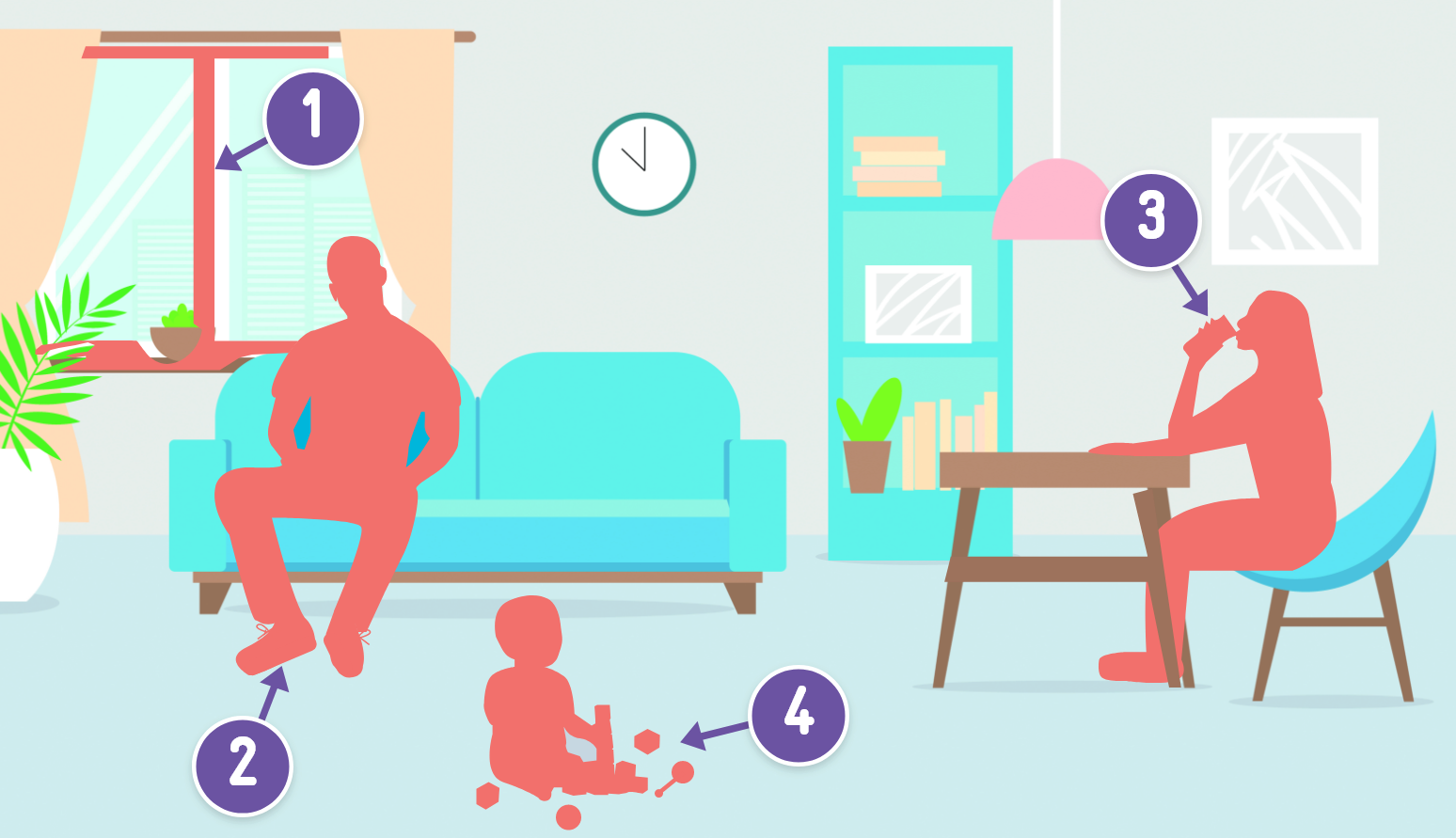
Common Sources of Lead Exposure:


Old Paint: homes built before 1978 often have lead-based paint. As the paint ages, it creates harmful dust or chips.

Soil: lead from old paint, car exhaust, or factories can contaminate soil.

Water Pipes: old plumbing pipes or fixtures can release lead into drinking water.

Certain Items: some imported toys, jewelry, candies, herbal supplements, cosmetics, and ceramic dishes may contain lead.

Who is at Greatest Risk?

Some groups are at greater risk to lead exposure:
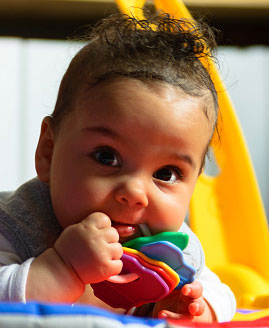
Infants and Toddlers:

Young children often put their hands and objects in their mouth, putting them at risk of exposure. Their bodies also absorb lead more easily, and their developing brains and nervous systems are very sensitive to it.
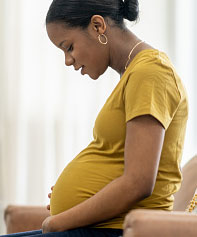
Pregnant Women:

During pregnancy, lead stored in the mother’s bones can be released and exposed to the baby. Lead can harm both the mother and baby, increasing the risk of miscarriage, early birth, and smaller birth size. Lead can also damage the developing baby’s brain, kidneys, and nervous system, which can cause learning and behavior problems as they get older.
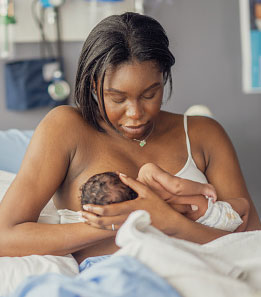
Breastfeeding Women:

While a small amount of lead can pass into breast milk, it’s usually not enough to harm the baby.

Pregnant and breastfeeding women may be exposed to lead by:
  • Eating things that aren’t food, like dirt or paint chips.
  • Using herbal remedies or traditional medicines like:
  • Greta
  • Azarcon
  • Ba-baw-san
  • Daw Tway
  • Imported cosmetic makeup
  • Cooking or storing food in old, lead-glazed pottery, glazed ceramic dishes, or leaded crystal.
  • Living in an old house that’s being renovated.

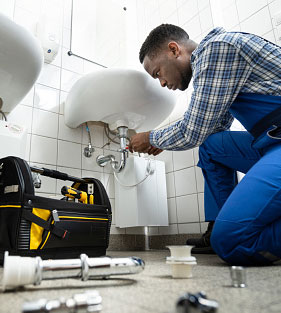
Workers in High-Risk Jobs:

Jobs involving lead-based products, like construction, painting, plumbing, or battery manufacturing carry higher risks.
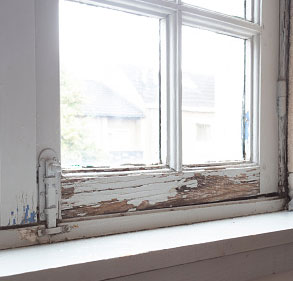
Families Living in Older Homes:

Homes built before 1978 are more likely to have lead-based paint and plumbing.

Effects of Lead Poisoning

Lead poisoning can cause serious problems. It can harm almost every organ in the body, but is especially dangerous for the brain and nervous system.

Effects on Infants and Toddlers:

Developmental Delays: lead poisoning can slow a child’s growth
and development.Learning Difficulties: children with lead poisoning may have trouble learning and concentrating
in school.Behavioral Problems: lead can cause irritability, hyperactivity, and other behavior problems.Communication Problems: lead poisoning can lead to hearing loss and speech problems.

Risk of Dental Problems: lead poisoning can weaken tooth enamel, reduce saliva, and block fluoride from working properly, which increases the risk of cavities.

Effects on Adults:

High Blood Pressure: lead poisoning can increase blood pressure, leading to heart disease.Joint and Muscle Pain: adults with lead poisoning may have chronic pain.Memory and Concentration Issues: lead can harm brain function, making it harder to focus or remember things.Mood Disorders: lead poisoning can cause depression and anxiety.Reproductive Health: lead can cause problems with fertility in both men and women.

Lead Testing

Testing for lead exposure is easy and important.
A simple blood test can measure lead levels.
When to Test:

Infants Toddlers: Testing is recommended at 12 and 24 months, especially if living in high-risk areas or older homes.


Adults: Consider testing if you work at a high-risk job or live in an older home.
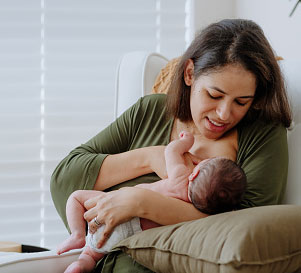
Pregnant or Breastfeeding Women: Women who have had exposure to lead in the past, or are at risk for lead exposure should get tested. If a lead level of 5 µg/dL or higher is detected, follow-up testing is needed.

NUTRITION

Feeding your child regular meals and snacks helps them take in less lead. An empty stomach absorbs more lead. Offer your child three meals and two or three snacks every day.

How you prepare and serve your child’s foods can affect how much lead they are exposed to. Follow these three steps to help make a difference!


When preparing food, be sure to wash and cook using cold water to start.

Meals

Serve your children small snacks between meals.

Vitamin c products

Serve foods that are high in iron, calcium, and vitamin C.

IRON

Iron helps block too much lead from getting into the body. Food sources of iron include:

  • Lean red meats, fish, and chicken
  • Dried fruit, such as raisins and prunes
  • Spinach, kale, and collard greens
  • Beans
  • Iron-fortified cereal, bread, and pasta

CALCIUM

Calcium keeps bones strong and limits how much lead the body absorbs. Food sources of calcium include:

  • Spinach, kale, and collard greens
  • Tofu
  • Milk and milk products like cheese and yogurt

VITAMIN C

Vitamin C helps the body absorb iron and calcium. Food sources of Vitamin C include:

  • Tomatoes and tomato juice
  • Peppers
  • Citrus fruits like oranges and grapefruit
  • Other fruits like kiwi, strawberries, and melons

Preventing Lead Exposure

There’s no cure for lead poisoning, so prevention is key. Removing lead from your home and environment, before you or your children are ever exposed, is the best way to prevent lead exposure. Here are other ways to help reduce the risk of lead exposure:

Clean Regularly:

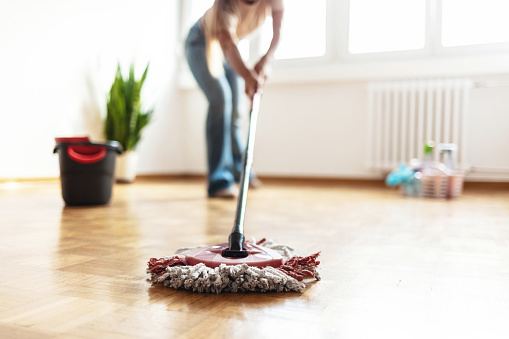
Regularly wet-mop floors, and wet-wipe window sills and other surfaces to remove lead dust.
Fix Old Paint:

If your home was built before 1978, repair chipping paint safely using certified professionals.

Create Physical Barriers:

Block access by closing and locking doors to areas with chipping, peeling, or flaking paint.

Avoid Risky Items:

Be cautious of older or imported toys, jewelry, and ceramics that may contain lead.

Wash Hands and Toys:

Reduce lead intake by cleaning hands and toys often.

Use Cold Water:

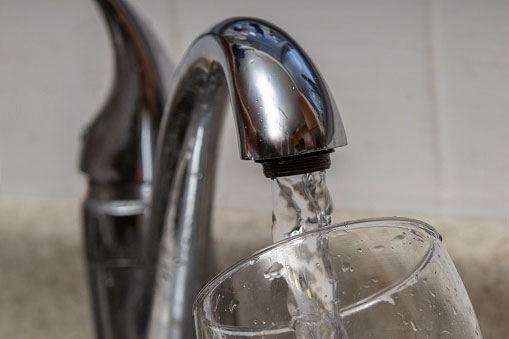
Always use cold water for cooking and drinking, as hot water may contain more lead. If you have lead pipes in your house, let the tap water run for at least 30 seconds before use.

Eat Nutritious Foods:

A diet rich in calcium, iron, and vitamin C can help reduce how much lead the body absorbs.

Calcium:

milk, yogurt, cheese,
green leafy vegetables

Vitamin C:

oranges, tomatoes,
green peppers

Iron:

lean red meats, fish, chicken,
dried fruits

Bathe and wash clothes carefully:

After leaving an area with lead exposure, if possible, change clothes before getting in the car, shower as soon as possible, and wash clothes separately from others with an added rinse cycle.

stay ON grass:

When in areas with contaminated soil, play on grass instead of dirt.

What to Do If You
Suspect Lead Poisoning

Contact your healthcare provider right away if you think you or your child has been exposed to lead. Symptoms aren’t always obvious, so early testing is critical.

Symptoms to Watch For:


In children: Developmental delays, difficulty learning, irritability, or loss of appetite.

Developmental Milestones


In adults: High blood pressure, joint pain, or memory problems.

Resources and Support

There are resources to help you learn more and get help with lead testing. Many programs offer free or low-cost testing and support for families at risk of lead exposure.

Learn more about lead poisoning

  • Childhood Lead Poisoning Prevention
  • CDC Lead Prevention Information

Find Support and Testing

  • Wyoming Department of Health – Lead Poisoning

    Learn more about lead and the Wyoming Department of Health’s Childhood Blood Lead Prevention Program.

  • Wyoming Lead Service Line Project

    This website can help you determine what type of water service line you have along with information about lead service lines in your home.

  • Protect Your Tap: A Quick Check for Lead

    You find out if a lead service line brings water into your home. It includes pictures and step-by-step directions to identify lead service lines, tips to reduce lead exposure, information on testing your water, and resources for more help.

Lead-Smart TIPS:

  • Test your children and home for lead.
  • Clean regularly to reduce lead dust.
  • Use cold water for drinking and cooking.

By staying informed and proactive, you can help protect your family from the dangers of lead.


Click here for more information

REFERENCES

  1. Centers for Disease Control and Prevention. “Lead Prevention.” https://www.cdc.gov/lead-prevention/prevention/index.html
  2. Environmental Protection Agency. “Basic Information about Lead in Drinking Water.” https://www.epa.gov/ground-water-and-drinking-water/basic-information-about-lead-drinking-water
  3. National Institute of Environmental Health Sciences. “Lead and Your Health.” https://www.niehs.nih.gov/health/topics/agents/lead/index.cfm
  4. Mayo Clinic. “Lead poisoning.” https://www.mayoclinic.org/diseases-conditions/lead-poisoning/symptoms-causes/syc-20354717
  5. World Health Organization. “Lead poisoning and health.” https://www.who.int/news-room/fact-sheets/detail/lead-poisoning-and-health
  6. Wyoming Department of Health. “Lead Poisoning.” https://health.wyo.gov/publichealth/infectious-disease-epidemiology-unit/disease/lead-poisoning/
  7. Environmental Protection Agency. “Learn About Lead.” https://www.epa.gov/lead/learn-about-lead
  8. NYC Pediatric Dentist. “Lead Poisoning and Tooth Decay.” https://www.nycpediatricdentist.com/lead-poisoning-and-tooth-decay/
  9. U.S. Department of Health and Human Services, Centers for Disease Control and Prevention, National Center for Environmental Health. Guidelines for the identification and management of lead exposure in pregnant and lactating women. Atlanta, Ga.; 2010.
  10. Abadin H, Klotzbach JM, Taylor J, et al. Toxicological Profile for Lead. Atlanta GA; Centers for Disease Control and Prevention, Agency for Toxic Substances and Disease Registry, 2020.
Wyoming WIC WDH Public Health

CONTACT US

1-888-996-9378
health.wyo.gov/wic

Resources

  • WIC Shopper
  • WIC Smart
  • WIC Breastfeeding Support
  • Wyoming Medicaid
  • Wyoming 211
  • Tell a friend about WIC!
  • Guide to Using Your WIC Benefits
  • Wyoming WIC fa fa-facebook
  • Wyoming WIC fa fa-instagram
  • Wyoming WIC

This institution is an equal opportunity provider.

Cookie PolicyPrivacy Policy

© Brush Art Corporation
This website is operated by Brush Art Corporation on behalf of the Wyoming Department of Health.

Install this web app on your iPhone: tap ios-share and then Add to Home Screen.

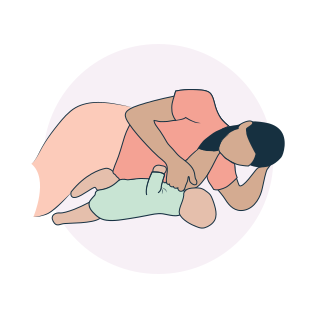
Side-Lying

POZISYON KOUCHE SOU KOTE

  1. Pou tete dwat la, kouche sou bò dwat ou avèk tibebe w la ki ba w fas.
  2. Rale tibebe w la toupre w. Bouch tibebe w la ta dwe nan nivo pwent tete w.
  3. Nan pozisyon sa, ou ka bèse do tibebe w la avèk bra gòch epi soutni tèt ou avèk bra dwa ou ak/oswa zòrye yo.
  4. Kenbe gwo rad ak rad kabann yo lwen tibebe w la.
  5. Chanje pou tete gòch la.

Pozisyon sa itil lè:

  • Ou te gen yon sezaryèn
  • Ou vle repoze pandan w ap bay tibebe a tete.
  • W ap bay tete nan mitan lannuit.
  • Ou menm ak tibebe w la konfòtab nan pozisyon sa
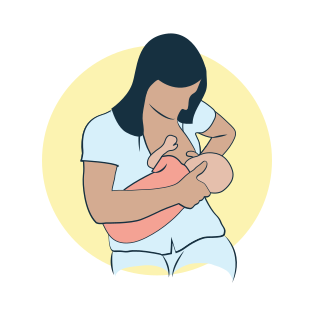
cross-cradle

POZISYON TRANSVÈSAL

  1. Pou tete dwat la, itilize bra goch ou pou kenbe tèt tibebe w la nan tete dwat ou ak kò bebe a nan direkyon bò gòch ou. Yon zòrye sou janm ou ka ede sipòte bra gòch ou.
  2. Mete men gòch ou dousman dèyè zòrèy ak kou tibebe w la, kote pous ak endèks ou dèyè chak zòrèy epi pla men ou ant omoplat tibebe a. Vire kò tibebe a nan sans kò w pou vant ou yo ka ap touche.
  3. Kenbe tete ou tankou ou t ap peze yon sandwich. Pou pwoteje do w, evite bese nan direksyon tibebe w la. Olye de sa, rale tibebe w la sou ou.
  4. Pandan bouch tibebe w la ouvri, pouse dousman avèk pla men gòch ou sou tèt tibebe a pou ede li pran tete a. Asire ou kenbe dwèt ou yo lwen.
  5. Chanje pou tete gòch la.

Pozisyon sa itil lè:

  • Tibebe w la prematire
  • Tibebe w la souse fèb
  • Tibebe w la bezwen èd pou li rete nan tete a
  • Tibebe a la bezwen sipò anplis pou tèt
  • Ou menm ak tibebe w la konfòtab nan pozisyon sa a
Football

POZISYON ANBREYAJ OSWA “FOUTBÒL AMERIKEN”

  1. Pou tete dwat la, kenbe nivo tibebe w la, fas devan sou kote dwat ou.
  2. Mete tèt tibebe w la toupre pwent tete w epi sipòte do li ak janm li anba bra dwat ou.
  3. Kenbe baz tèt tibebe w la avèk pla men dwat ou. Yon zòrye anba bra dwat ou ka ede sipòte pwa tibebe w la.
  4. Pou pwoteje do w, evite bese nan direksyon tibebe w la. Rale li vin jwenn ou pito.
  5. Chanje pou tete gòch la.

Pozisyon sa itil lè:

  • Ou te fè sezaryèn
  • Ou gen gwo tete
  • Ou gen pwent tete plat oswa envèse
  • Ou gen gwo kantite lèt ki desann
  • W ap bay jimo tete
  • Tibebe w la renmen manje nan pozisyon vètikal
  • Tibebe w la gen refliks
  • Ou menm ak tibebe w la konfòtab nan pozisyon sa a
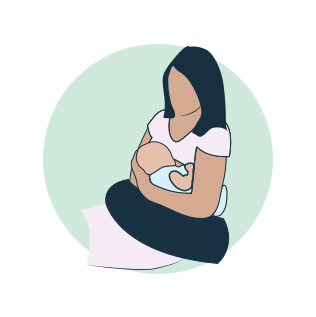
CRADLE hold

POZISYON BÈSO

  1. Pou tete dwat la, bèse tibebe w la avèk bra dwat ou. Tibebe w la pral sou bò gòch li sou janm ou, fas li nan nivo pwent tete a.
  2. Tèt tibebe w la pral repoze sou avanbra dwat ou kote do tibebe w la ap nan pati pa anndan bra ak pla men ou.
  3. Vire vant tibebe w la nan direksyon vant ou. Men gòch ou lib pou sipòte tete w, si nesesè. Zòrye yo kapab ede sipòte bra ak koud ou.
  4. Pou pwoteje do w, evite bese nan direksyon tibebe w la. Olye de sa, rale tibebe w la sou ou.
  5. Chanje pou tete gòch la.

Pozisyon sa itil lè:

  • Tibebe w la bezwen èd pou li pran tete w
  • Ou menm ak tibebe w la konfòtab nan pozisyon sa
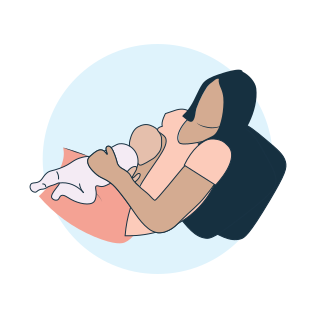
laid-back

POZISYON KAGE

  1. Panche pa dèyè sou yon zòrye kote vant tibebe w la touche pa w epi tèt li nan nivo bra a. Gen kèk manman ki twouve chita prèske drèt fonksyone byen. Lòt yo prefere panche dèyè epi kouche prèske plat.
  2. Ou ka mete machwè tibebe w la sou tete w oswa ou ka vle itilize yon men pou kenbe tete w toupre tibebe w la. Sa depann de ou ak sa ou santi ki mye a.
  3. Tibebe w la natirèlman ap jwenn pwent tete w epi kòmane souse.

Pozisyon kenbe sa itil lè:

  • Mete tibebe w la sou pwatrin ou touswit apre li fin fèt
  • Ou gen bonkou lèt k ap desann
  • Ou gen gwo tete
  • Ou menm ak tibebe w la konfòtab nan pozisyon sa