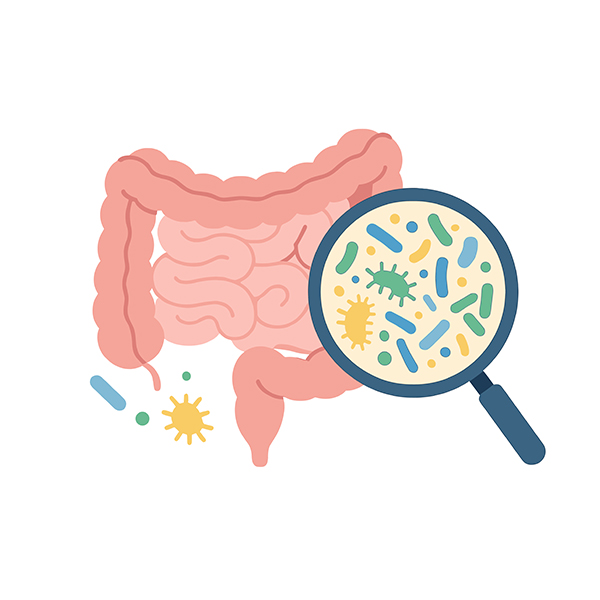



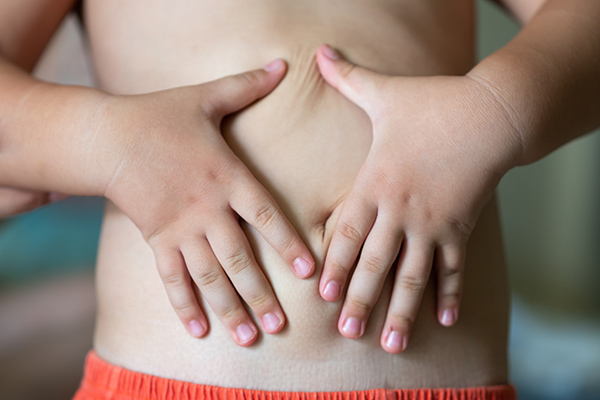
Constipation is a common issue. Simple changes, like eating foods with fiber, drinking enough liquids, and staying active, can often make a big difference.
What causes constipation can be a little different depending on age.
Here’s what you need to know:
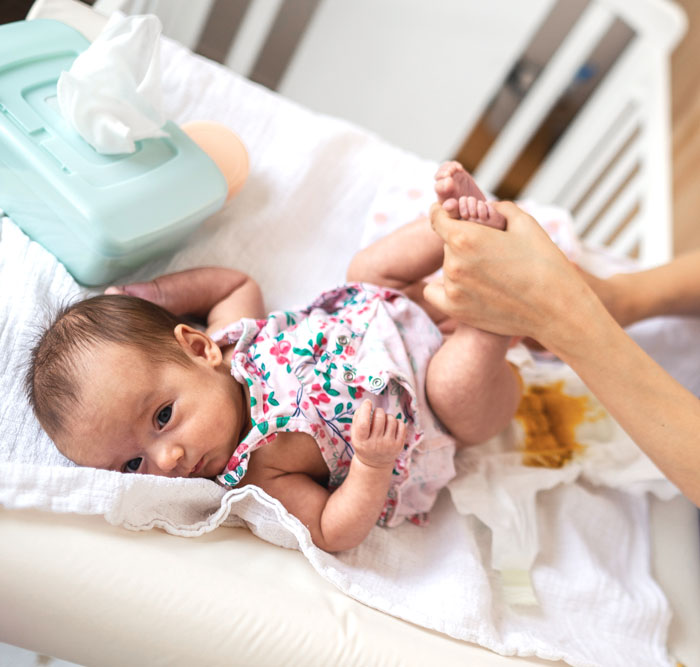
Right after birth, a baby’s first poops are thick and black. This is normal! After a few days, poop changes.
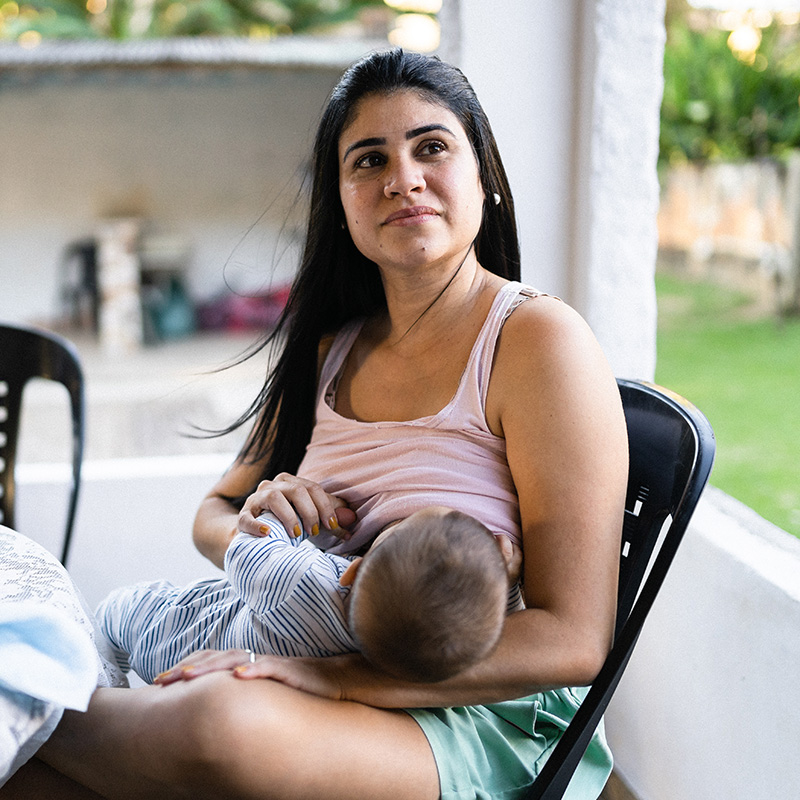
It’s normal for breastfed babies to poop very often at first, sometimes after every feeding. But after about 1 to 2 months, it’s also normal for them to go several days without pooping. As long as the poop is soft when it comes, they are likely not constipated.
Formula-fed baby poop is typically thicker, like paste, and is tan or brown. If a formula-fed baby goes several days without pooping, and their poop is hard, they might be constipated.

When your baby starts eating solid foods, their poop will change! It might become thicker, smell different, and they might poop less often than when they were only having milk. This is very common as their body gets used to new foods.
Rarely, an allergy to milk protein in formula could be a cause. If you suspect this, talk to your baby’s doctor or WIC nutritionist.
Not eating enough foods with fiber (like fruits, vegetables, and whole grains) or not drinking enough water and other liquids can make poop hard and difficult to pass.
Being active helps move food through the body. If a child doesn’t get enough active playtime, it can sometimes slow things down.
This is very common! Kids might hold their poop because they don’t want to stop playing, they feel nervous about using the potty, or maybe they had a painful poop once before and are afraid it will happen again.
Healthy poop for a child who is eating solid food is usually soft but formed, easy to pass, and shaped a bit like a sausage or snake. If it’s hard little balls or very large and hard to push out, that’s a sign of constipation.
Hormones during pregnancy can slow down the muscles in your body that move food along. This can make you constipated. Taking iron pills, which are often needed during pregnancy, can also cause constipation.
If iron supplements are causing constipation, here are some things you can try:

Changes to your body, pain medications you might be taking, or even just feeling tired and stressed after birth can affect how often you poop.
Just like with children, not eating enough fiber or drinking enough water can lead to constipation.
Fiber-rich foods are a key to help prevent or manage constipation for you and your child.
Fiber is a part of plant foods that your body can’t fully digest. It’s found in fruits, vegetables, whole grains, beans, and nuts. Unlike other parts of food, fiber stays somewhat whole as it travels through your body.
The water it soaks up helps make the poop softer.
Feeds healthy gut bacteria, supporting overall gut health.
This makes the poop softer and easier to pass, which helps with constipation.
Keep in mind that how you cook fiber-rich foods can also affect the fiber content.
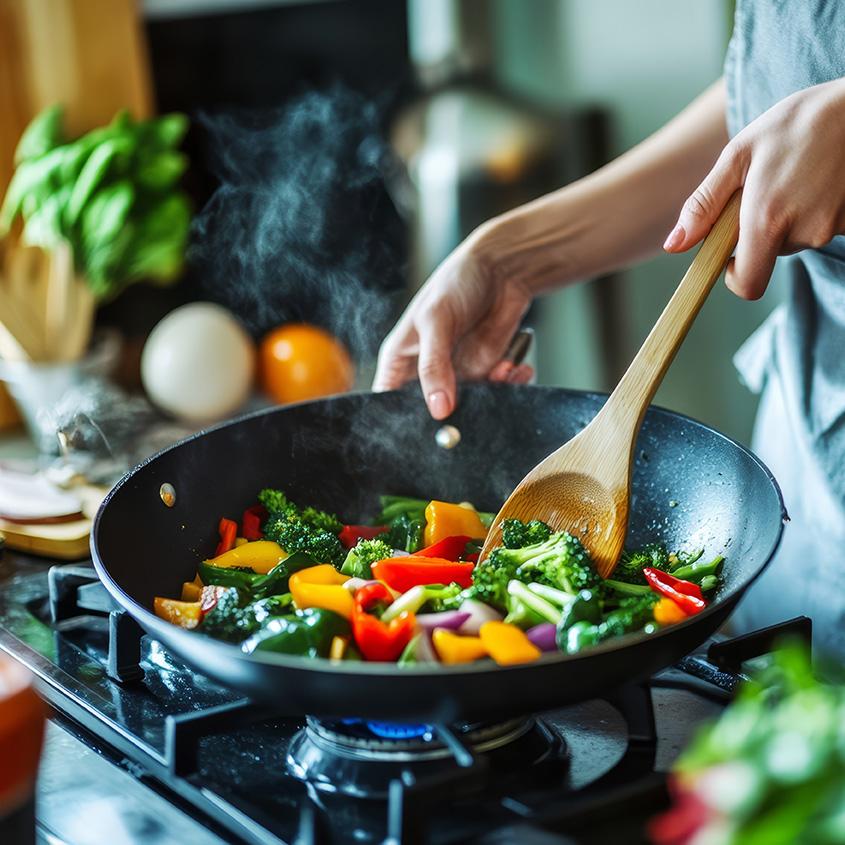
Lightly steaming or stir-frying vegetables, for instance, tends to preserve more fiber than boiling them for a long time.
Eating a mix of both kinds of fiber is best for healthy digestion and preventing constipation.
Apples (with the skin), pears, berries, peaches, prunes (or prune juice for older babies/kids in small amounts).
Carrots, broccoli, leafy greens, sweet potatoes, peas, and corn.
Note: Steaming or stir-frying vegetables helps retain more fiber than boiling them for longer periods.
Oatmeal, whole wheat bread, whole wheat pasta, brown rice, whole grain cereals, corn, or whole wheat tortillas.
Grains like wheat, oats, and rice have different parts. When a grain is “whole,” it means it still has all its natural parts, including the part with the fiber. Refined grains (like white bread or white rice) have had most of the fiber removed. Choosing whole grains means you get more fiber!
Legumes like beans and lentils are some of the best sources of fiber you can eat because they contain both soluble and insoluble fiber.
They are packed with protein, making them a filling choice.
Easily add them to soups, salads, and tacos. Black beans, chickpeas, and lentils are all great options!

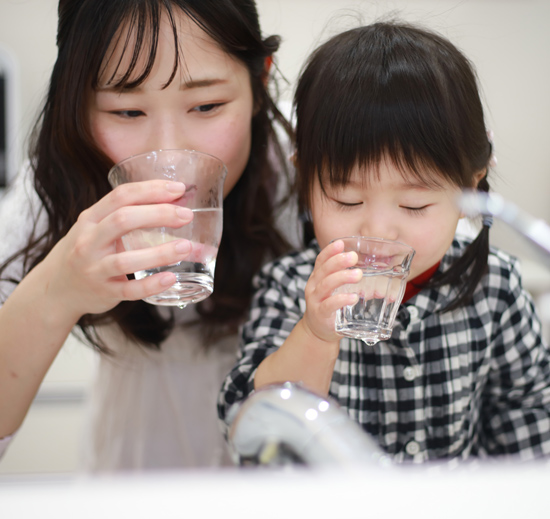
For fiber to work like a sponge, it needs water! When you eat more fiber, it’s super important to also drink more liquids, especially water, throughout the day.
If you or your child aren’t used to eating a lot of fiber, it’s best to add it slowly over several days or a few weeks. Adding too much too fast can sometimes cause gas or bloating as your body adjusts. Start by incorporating one or two new fiber-rich foods into your daily meals.
Different foods contain different amounts of fiber.
Here’s a simple way to think about it when you look at a food label:
Foods that are a good source of fiber have 2.5 to 5 grams of fiber in one serving. Foods that have more than 5 grams of fiber per serving are considered high-fiber foods.
Your WIC food package provides many foods that are great sources of fiber and can help with constipation. Using these foods is a helpful step you can take.
Here are some ideas for using your WIC foods for each family member:

When your baby is ready for solids, choose the whole-grain infant cereals you get from WIC, like oatmeal, barley, or multi-grain. Start with a smooth texture and add more texture as your baby is ready. Remember to mix the cereal with breast milk or formula instead of water.
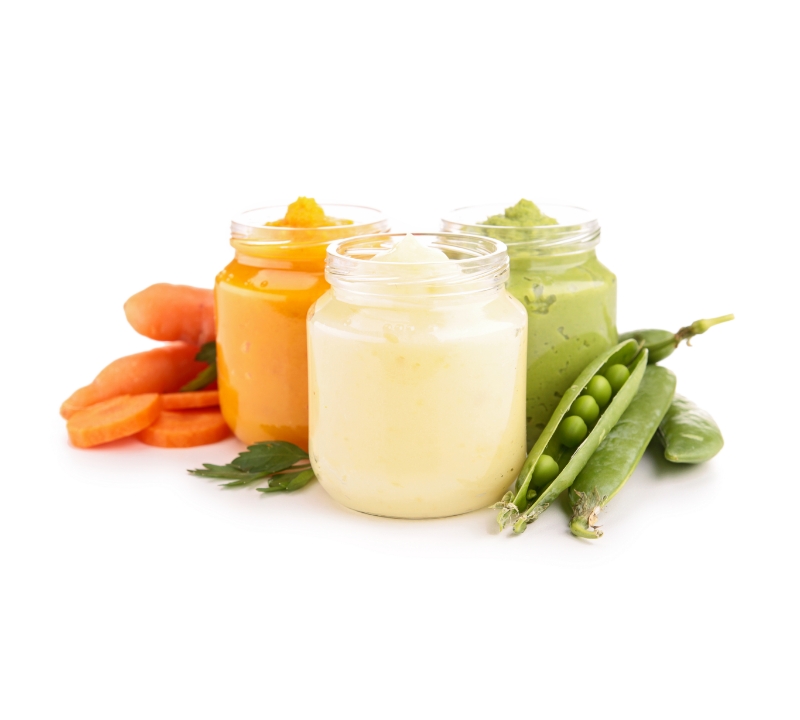
WIC provides jars of baby food such as fruits and vegetables, or you can use your cash value benefits to buy fresh, frozen, or canned options to make your own purees. Prunes, pears, apples, and vegetables like sweet potatoes and peas are good choices.
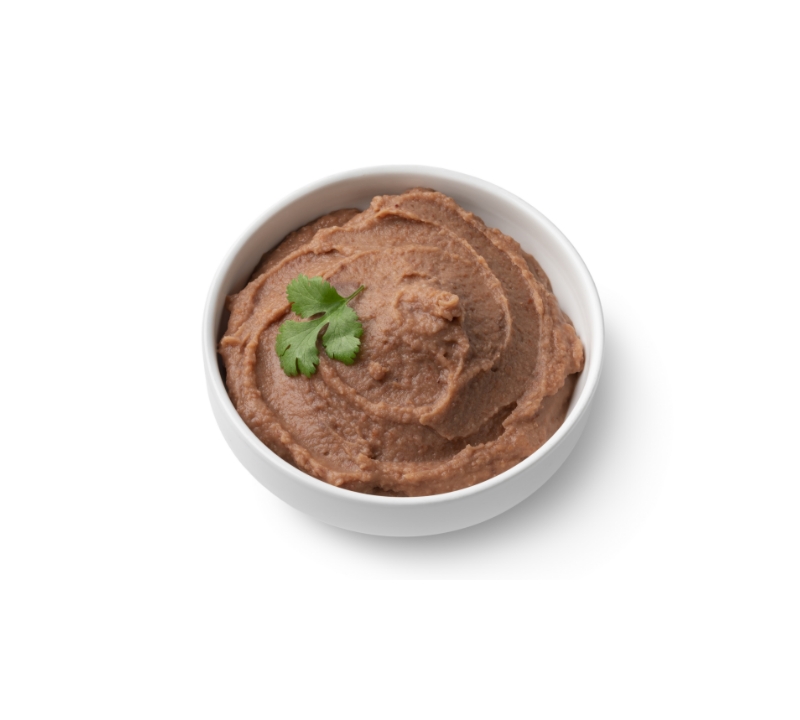
Although your six to eleven month old won't get beans or lentils as part of their WIC food package until they turn one, offering pureed or mashed beans and lentils can be a great source of fiber. (Remember to talk to your WIC nutritionist or pediatrician about when your baby is ready for different textures and types of food.)

Once your baby starts solids, you can offer sips of water from an open cup during meals. This helps them get used to water and helps the fiber work! Remember, breast milk or formula will still need to be your baby’s main drink.
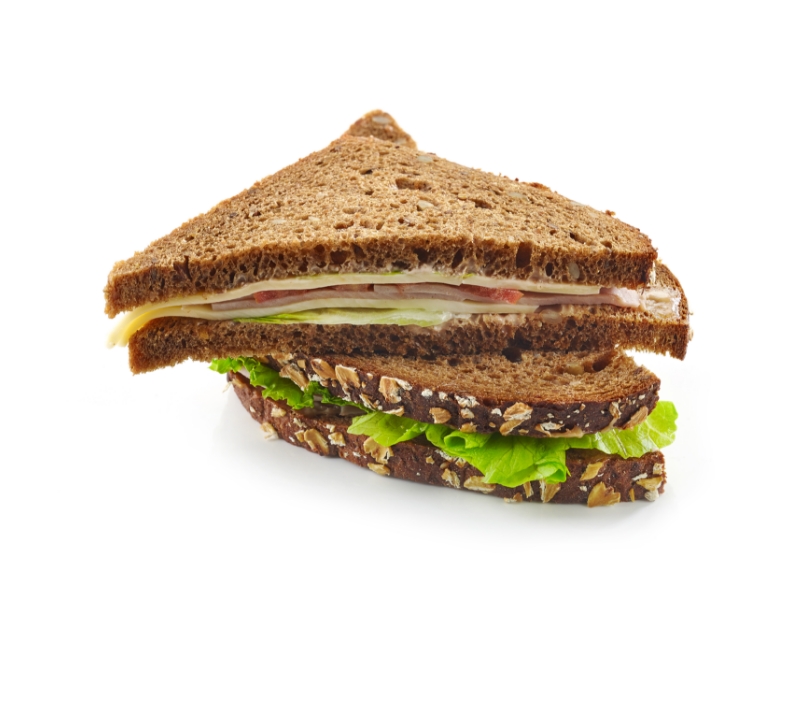
Use your WIC benefits to get whole wheat bread, whole grain cereals, brown rice, whole wheat pasta, or whole wheat tortillas. These have more fiber than white versions.
Simple Swaps: Make sandwiches on whole wheat bread, choose brown rice instead of white rice, or offer whole grain cereal for breakfast or a snack.
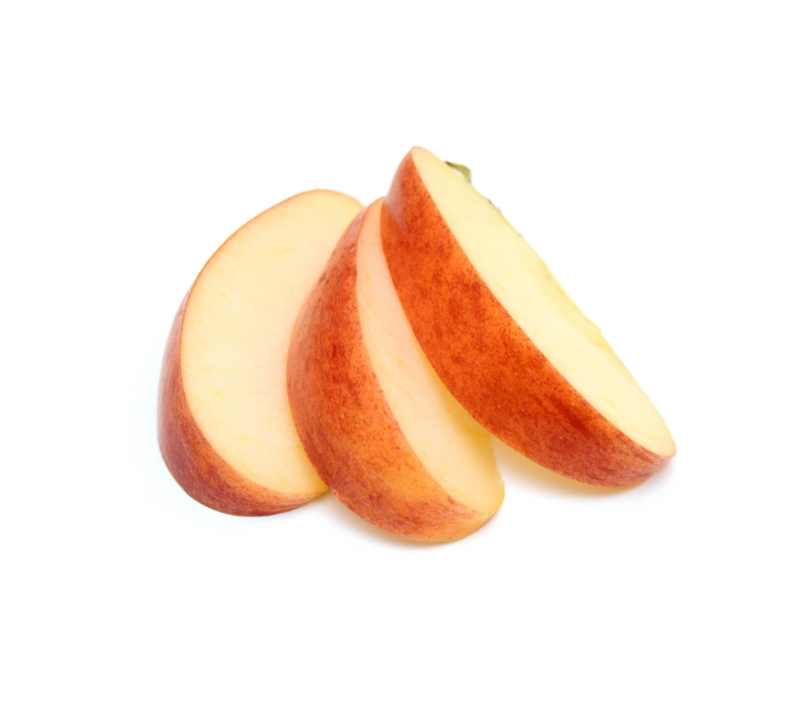
Use your cash value benefits to buy fresh or frozen fruits and vegetables.
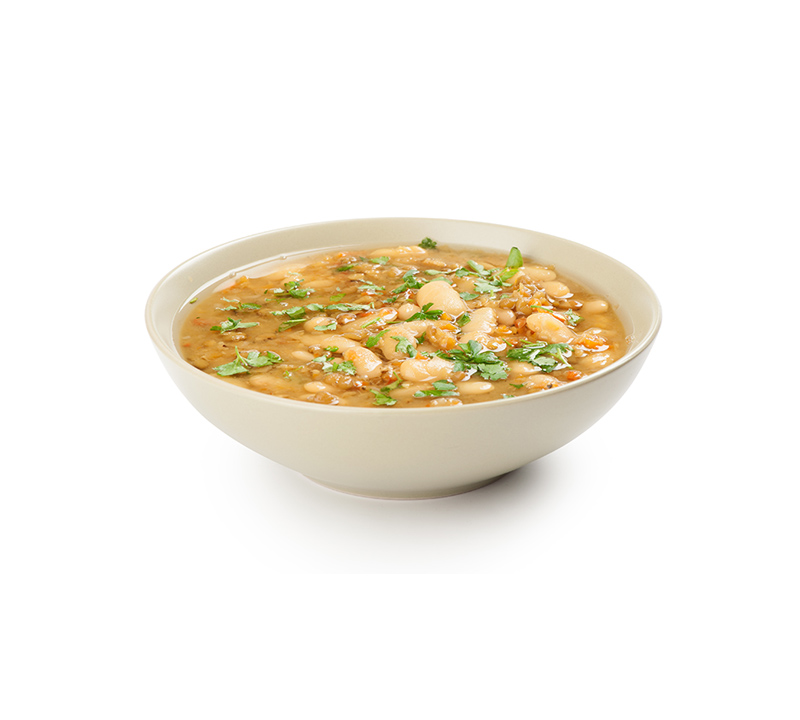
Beans and lentils are easy to add to soups, stews, or serve on the side.

Offer water often throughout the day, especially between meals and snacks. Water is the best drink to help fiber do its job!
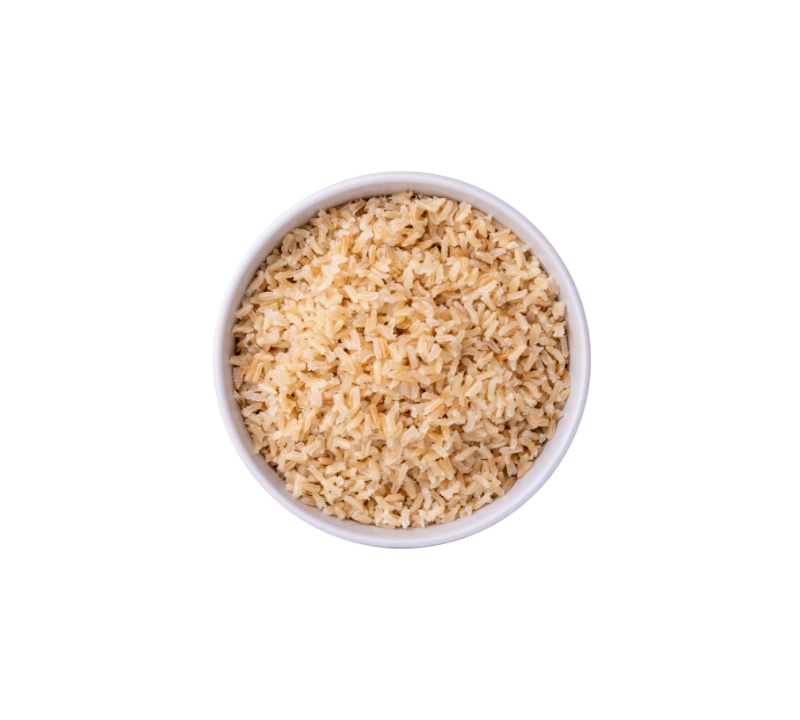
Don't miss out on all of the whole grain options you can get in your WIC food package like whole wheat bread, whole grain cereal, brown rice, whole grain pasta, tortillas, or oats.
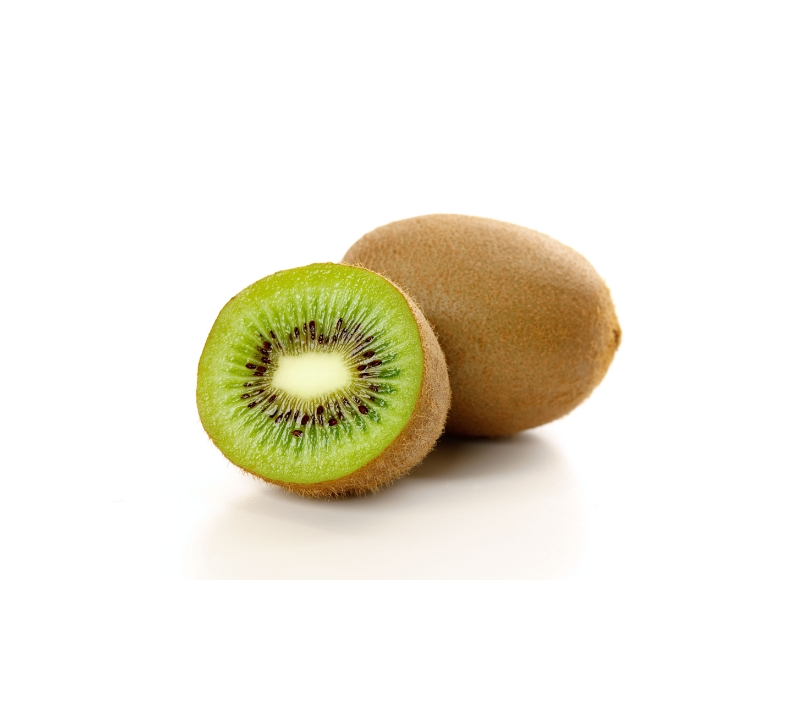
Use your cash value benefits to include a variety of fruits and vegetables in your meals and snacks every day. Try to eat the skins on fruits and vegetables when you can, as that’s where lots of fiber is!
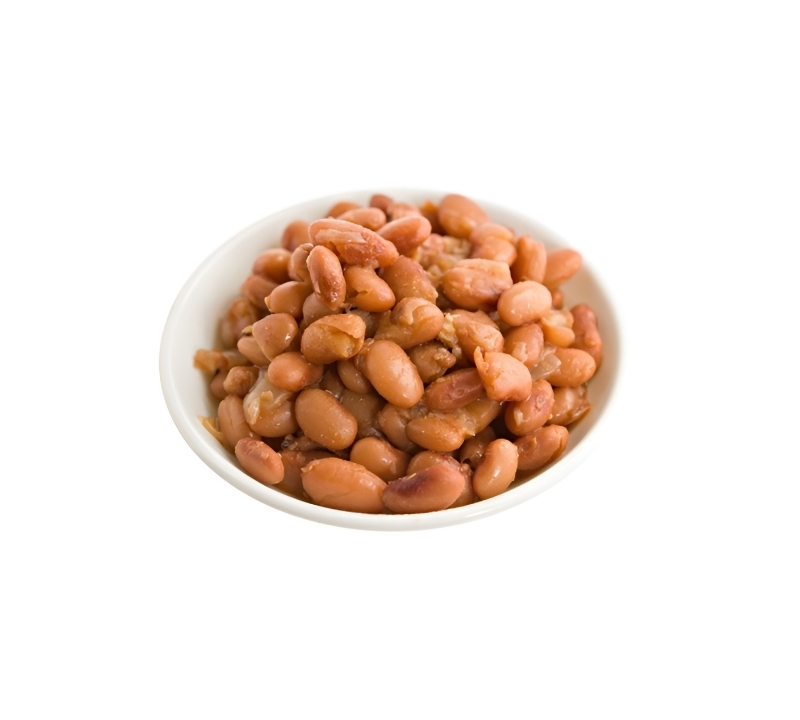
Add beans and lentils to your favorite recipes for meals and snacks. Believe it or not, puréed beans (like black beans) can replace fat in desserts like brownies for a secret fiber boost!

Drink plenty of water throughout the day. This is extra important when you are pregnant, breastfeeding, or increasing the fiber in your diet. To stay hydrated, make sure you have water available at all times and drink when you feel thirsty. Don’t forget a water bottle when you leave home.
Using your WIC foods is a great way to help you get the fiber you need.
1
Ingredients:
Cook oatmeal as directed. Stir in mashed banana and serve warm.
Tip: Mix in 1 tsp chia seeds after cooking for added fiber!
2
Ingredients:
Spread beans on half of the tortilla, sprinkle with cheese, fold in half, and heat in a pan until warm.
Tip: Dip or top with a spread of fiber-rich mashed avocado!
3
Ingredients:
Blend all ingredients until smooth. Serve cold.
Besides eating foods with fiber and drinking enough liquids, being active can also help keep things moving in your body!
Physical activity helps the muscles in your tummy and intestines gently push food and waste through. Getting enough movement every day can help prevent constipation for both you and your child.
Here are some simple ways to be more active:
Encourage your child to have plenty of active playtime. This could be running, jumping, or playing games outside.
Go for walks together as a family.
Put on some music and dance!
Even just getting up and moving around yourself throughout the day can make a difference.

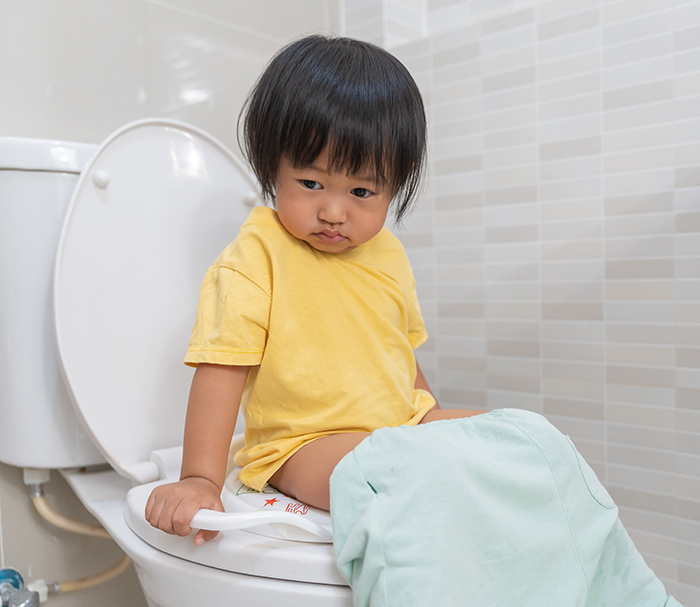
Sometimes, even when their body is ready, young children delay pooping. This means they put off going when it’s time. This is a common issue called behavioral constipation.

Why does this happen?
It’s important to know that your child isn’t trying to be difficult on purpose. They might be feeling worried or are just learning to listen to their body’s signals.
As a parent, you can help by creating a calm and supportive environment. Remember that your child is ultimately in charge of their own body and when they poop, but you can help them feel safe and comfortable trying.
Here are some gentle ways you can help:

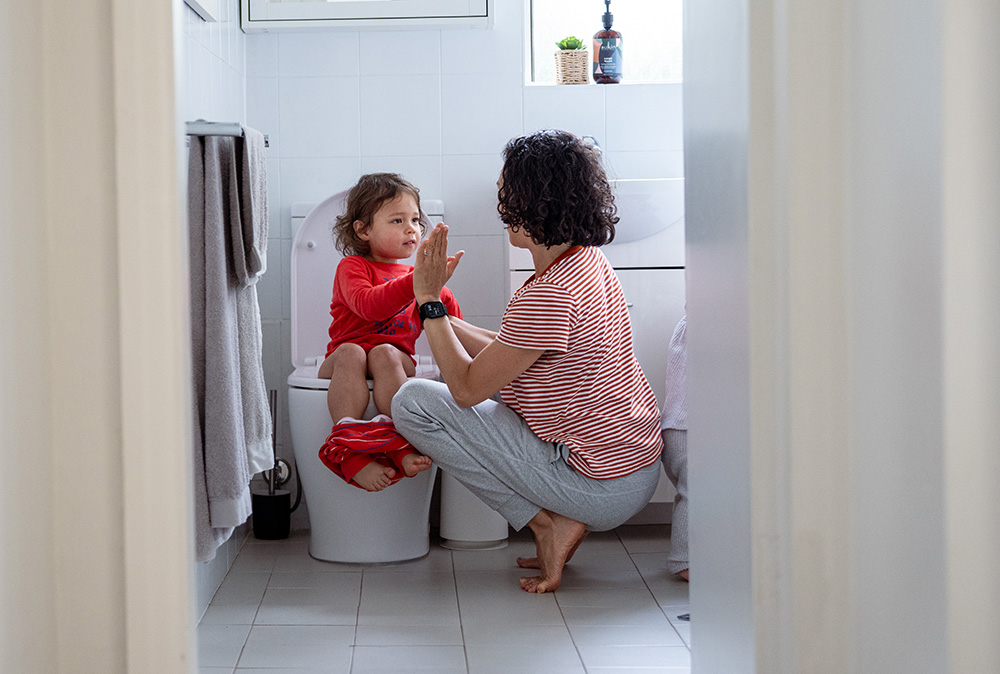
Encourage your child to sit on the potty for a short time (like 5-10 minutes) at regular times each day, maybe after breakfast and dinner. Make it a calm, routine part of the day, not a battle.
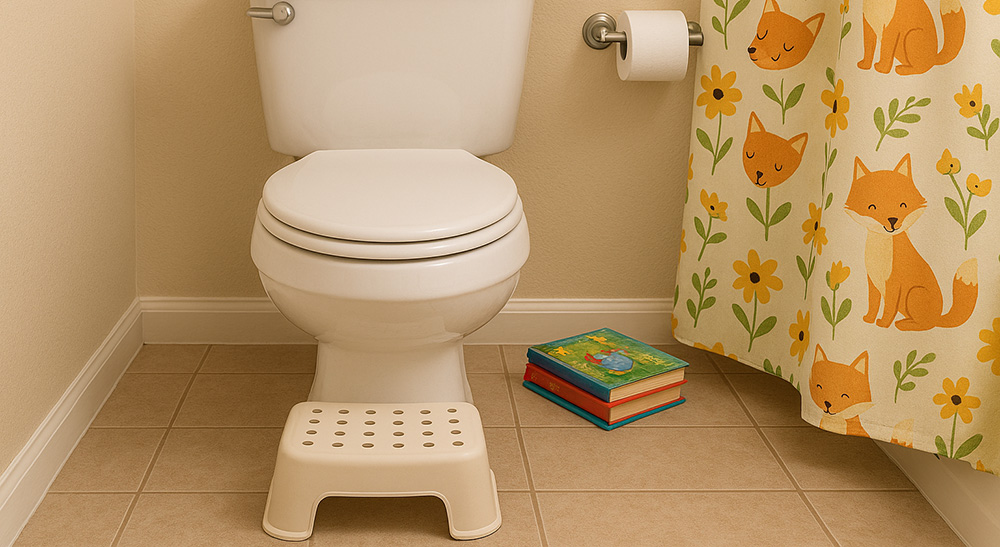
Make the bathroom a pleasant place to be. While sitting, let your child look at a favorite book or sing a quiet song. Make sure their feet can rest flat on the floor or a step stool so they feel steady.
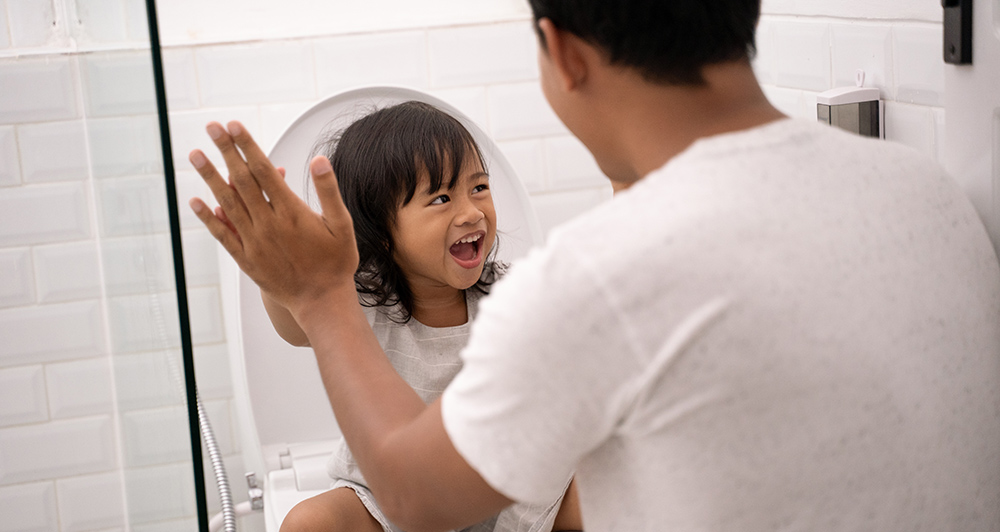
Focus on praising your child for trying, for sitting on the potty, or for telling you when their body feels like it needs to poop. You can use a simple reward system, like a sticker chart, for sitting on the potty. Try your best not to show frustration or get upset if they don’t poop. The goal is to keep it low-pressure.
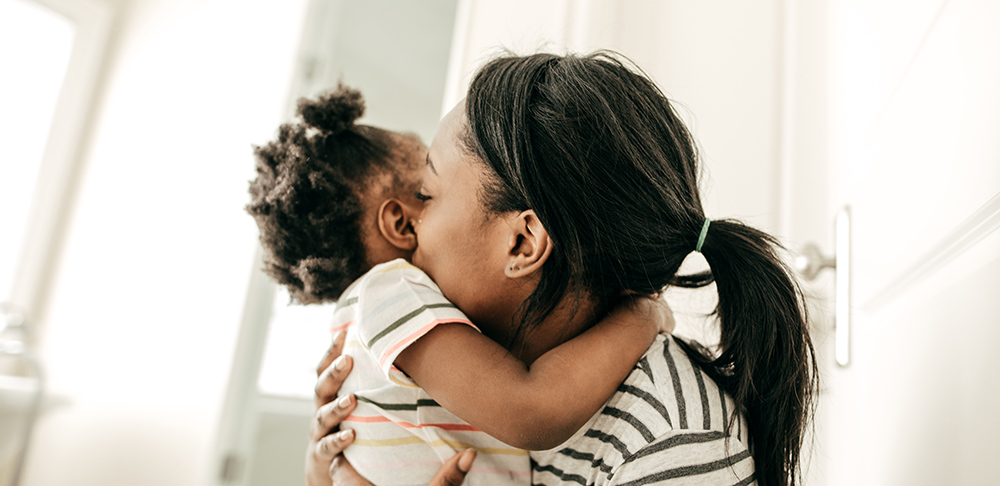
If you think your child is scared or worried about pooping or using the potty, listen kindly. Let them know you understand it can feel strange or scary sometimes and that you are there to help. Avoid making them feel ashamed or guilty.

Using a calm, supportive approach helps your child feel safe and learn to listen to their body’s signals about needing to poop.
If your child continues to delay pooping or if the constipation is severe, be sure to talk to your child’s doctor or your WIC nutritionist.
Tips about food, drinks, and activities often help with constipation.
But sometimes, you might need help from your child’s doctor, your own doctor, or the WIC staff.
It’s important to call if you notice any of these signs:
If you see any of these signs, please don’t wait to call your child’s or your own doctor.
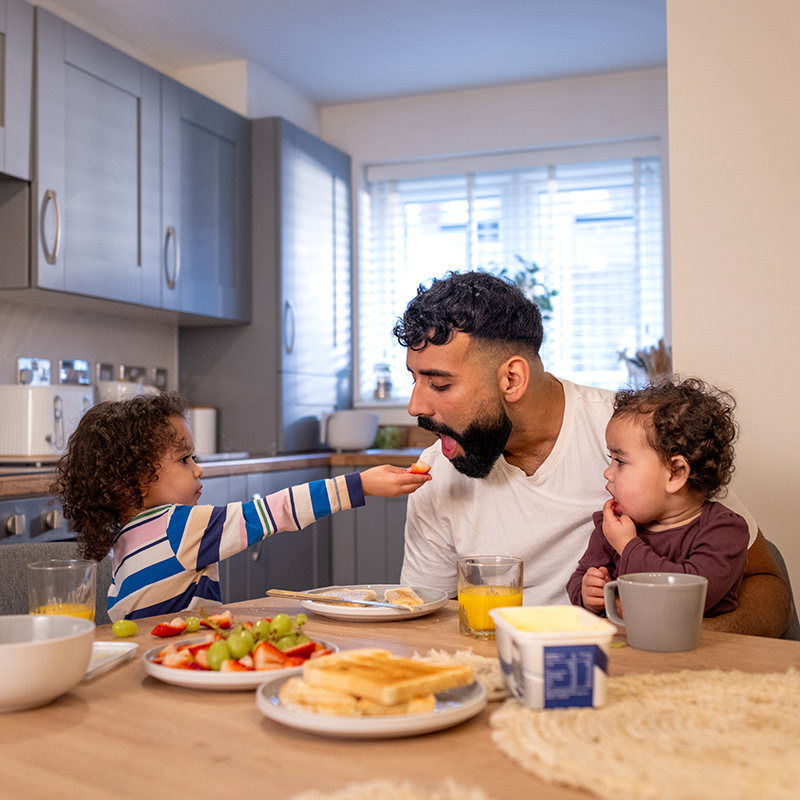
Dads, partners, grandparents, and other family members play a really important role! Your support makes a big difference in helping your child and the whole family build good habits.
Here are some ways you can help:
Eat foods like fruits, vegetables, whole grains, and beans with your child and family. Drink water often throughout the day. Kids learn by watching you!
You can help plan meals, shop for groceries (using WIC benefits!), or cook food with the family.
Give your child lots of praise! Tell them “Good job trying!” when they try a new food or when they try sitting on the potty. Celebrate small steps.
Get active with your child! Play outside, go for walks, dance, or just run around together. Being active yourself and with your child helps with digestion and is fun!
Your involvement and support make a big difference!
You don’t have to figure everything out alone!
There are many places you can go to get more information and support about constipation, eating, and parenting.
Your WIC nutritionist, nurses, and other staff are great resources! They can answer questions about WIC foods and connect you with other resources you might need.
Always talk to your healthcare provider about any health concerns, including constipation that doesn’t get better or if you see any of the “red flag” signs we talked about.

This is a website from the American Academy of Pediatrics (AAP). It has lots of reliable information for parents about children’s health, including common issues like constipation.
Remember, reaching out for support is a sign of a strong parent!
Your WIC team is here to help you connect with the information and care you need.
Install this web app on your iPhone: tap
and then Add to Home Screen.
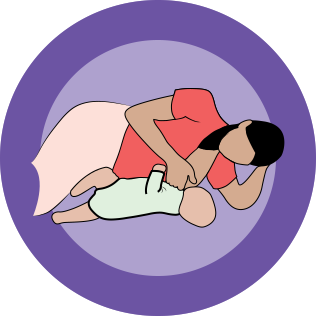
Side-Lying Hold
This hold is useful when:
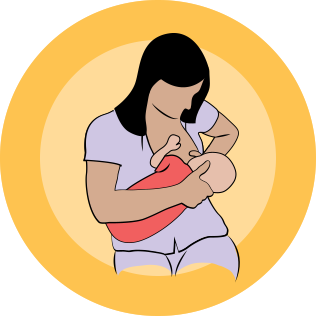
Cross-Cradle Hold
This hold is useful when:
Clutch or “Football” Hold
This hold is useful when:
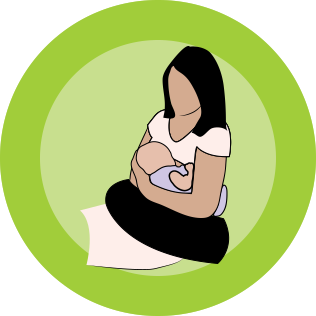
Cradle Hold
This hold is useful when:
Laid-Back Hold
This hold is useful when: