Skip to Content Skip to Footer
Wyoming WIC
Wyoming WIC
  • Home
  • Women
    • Women
      Breastfeeding
    • Women
      Healthy Tips for Moms
    • Women
      Postpartum
    • Women
      Pregnant
  • Infants
    • Infants
      Feeding & Nutrition
    • Infants
      Growth & Development
  • Children
    • Children
      Toddlers
    • Children
      2-5 Year Olds
  • Families
    • Families
      Activity and Play
    • Families
      Dads
    • Families
      Food & Family Meals
    • Families
      Immunizations
    • Families
      Safety
  • Live Well Blog
  • Food Shopping Guide
  • Español
Gut Health and Gestational Diabetes

Gut Health and Gestational Diabetes

  • Home
  • Live Well Blog
  • Gut Health and Gestational Diabetes
Gut Health and Gestational Diabetes English QR
December 24, 2025 Women

Ana at Docs
Hut Health Icon Gut Health and Gestational Diabetes

Ana Sofia was pregnant again, and this time she wanted things to go differently. During her last pregnancy, she had gestational diabetes – a type of diabetes that can develop during pregnancy. It wasn’t fun, and she was determined to avoid it this time.

Because she had gestational diabetes before and hadn’t lost the baby weight from her first pregnancy, Ana Sofia was already at higher risk. Her parents also had Type 2 diabetes, which made her chances even greater. But she had heard that the balance of “good” and “bad” bacteria in the gut can affect gestational diabetes, and she wanted to learn more.

She talked with her doctor who explained that a healthy gut can help support a healthy pregnancy – and may even lower the risk of getting gestational diabetes later on. Gut health in the first few months of pregnancy can make a difference later. 

Together, they talked about what can affect gut health, such as:
Diet Plan Icon

Diet: eating more fruits, vegetables, beans, and whole grains instead of ultra-processed foods

Lifestyle Icon

Lifestyle: getting enough sleep, managing stress, and avoiding smoking or alcohol

Environment Icon

Environment: limiting contact with pollution and harsh chemicals

Hormone changes

Hormone changes during pregnancy

Antibiotic use icon

Antibiotic use in the past

Probiotic Pills vs. Foods:
What’s Better for Ana’s Gut?

When Ana Sofia asked about probiotic pills, her doctor said that research is still new. While probiotics might help increase the “good” bacteria in the gut, the best way to improve gut health is through food and healthy habits.

The good news? Many gut-friendly foods are WIC-approved!

Probiotic Pills Hand
Note Icon Ana Sofia’s Plan for a Healthy Gut and Pregnancy
Ana Sofia’s Plan for a Healthy Gut and Pregnancy

With her doctor’s help, Ana Sofia made a simple plan to stay healthy and reduce her risk of gestational diabetes:

  • ✓ Walk for 30 minutes every day
  • ✓ Eat smaller portions of carbs
  • ✓ Choose whole grains
  • ✓ Eat more fresh vegetables
  • ✓ Add probiotic and prebiotic foods to her meals
  • Avoid sugary drinks and desserts

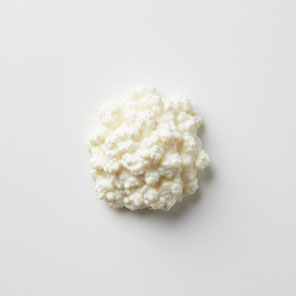
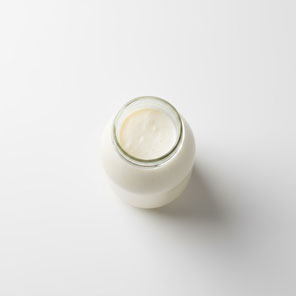
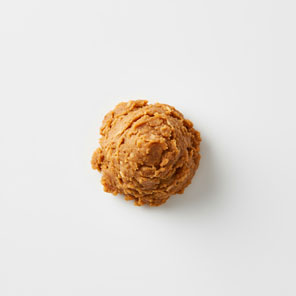
Probiotic Foods (Add “Good” Bacteria)

Yogurt bowl
YOGURT
Kefir
Kefir
Buttermilk
Buttermilk
Kimchi
Kimchi
Miso
Miso

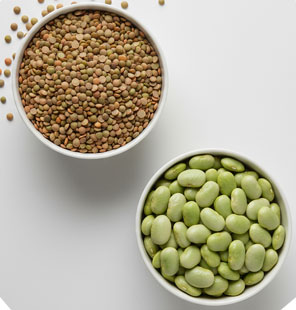
Prebiotic Foods (Feed the “Good” Bacteria)

Lentils-lima-beans
Lentils and
lima beans
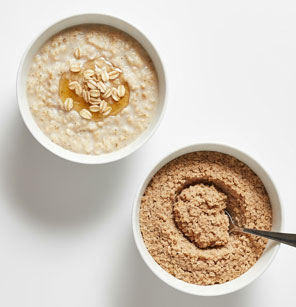
Oats and oat bran
Oats and
oat bran
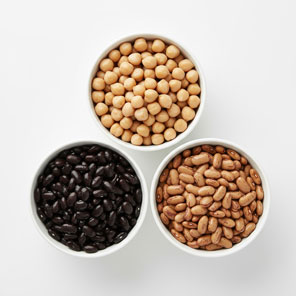
Chickpeas and other beans
Chickpeas and
other beans
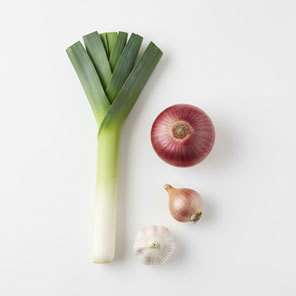
Onions, garlic, leeks, and shallots
Onions, garlic,
leeks, and shallots
Artichokes and asparagus
Artichokes
and asparagus
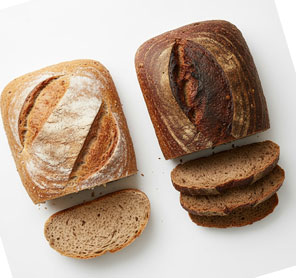
Whole wheat and rye products
Whole wheat
and rye products
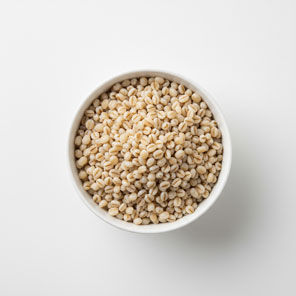
Barley
Barley

She also made sure to eat a variety of colorful fruits and vegetables every day.

eat a variety of colorful fruits

She also made sure to eat a variety of colorful fruits and vegetables every day.

Ana’s Small Changes Ana Sofia’s Plan for a Healthy Gut and Pregnancy

To make healthy eating easier, Ana Sofia found ways to plan ahead:

  • ✓ She cooked lentils and beans in her slow cooker and kept them ready to eat.
  • ✓ She used her WIC milk benefits to buy Greek yogurt and made overnight oats for work snacks.
  • ✓ She chopped onions and garlic on weekends and froze them to use later.
  • ✓ She switched from white bread and low-fiber cereals to whole grain and oat-based options using her WIC benefits.
  • ✓ She used her fruit and vegetable benefits to buy colorful produce like berries, apples, kale, broccoli, and sweet potatoes.
Ana’s Small Changes Lead to Big Results Ana’s Small Changes Lead to Big Results

By making small, steady changes, Ana Sofia kept her gut healthy and avoided gestational diabetes. She delivered a healthy baby girl and proved that past health problems don’t have to repeat themselves. With the right foods and habits, a healthy pregnancy is possible!

Woman Holding Baby

REFERENCES:

Ionescu RF, Enache RM, Cretoiu SM, Gaspar BS. Gut Microbiome Changes in Gestational
Diabetes. Int J Mol Sci. 2022 Oct 25;23(21):12839.
https://pmc.ncbi.nlm.nih.gov/articles/pmid/36361626/

Martinez JE, Kahana DD, Ghuman S, Wilson HP, Wilson J, Kim SCJ, Lagishetty V, Jacobs JP, Sinha-Hikim AP, Friedman TC. Unhealthy Lifestyle and Gut Dysbiosis: A Better Understanding of the Effects of Poor Diet and Nicotine on the Intestinal Microbiome. Front Endocrinol (Lausanne). 2021 Jun 8;12:667066.
https://pmc.ncbi.nlm.nih.gov/articles/PMC8218903/#:~:text=A%20healthy%20intestinal%20microbiome%20is,variable%20portion%20of%20the%20microbiome

Kamińska K, Stenclik D, Błażejewska W, Bogdański P, Moszak M. Probiotics in the Prevention and Treatment of Gestational Diabetes Mellitus (GDM): A Review. Nutrients. 2022 Oct 14;14(20):4303
https://pmc.ncbi.nlm.nih.gov/articles/PMC9608451/

Ma S, You Y, Huang L, Long S, Zhang J, Guo C, Zhang N, Wu X, Xiao Y, Tan H. Alterations in Gut Microbiota of Gestational Diabetes Patients During the First Trimester of Pregnancy. Front Cell Infect Microbiol. 2020 Feb 27;10:58.
https://pmc.ncbi.nlm.nih.gov/articles/pmid/32175285/

Ma G, Yan H, Tye KD, Tang X, Luo H, Li Z, Xiao X. Effect of probiotic administration during pregnancy on the functional diversity of the gut microbiota in healthy pregnant women. Microbiol Spectr. 2024 Jun 4;12(6)
https://pmc.ncbi.nlm.nih.gov/articles/PMC11237737/#:~:text=INTRODUCTION,childhood%20allergic%20diseases%20(9)

Liu AT, Chen S, Jena PK, Sheng L, Hu Y, Wan YY. Probiotics Improve Gastrointestinal Function and Life Quality in Pregnancy. Nutrients. 2021 Nov 3;13(11):3931.
https://www.mdpi.com/2072-6643/13/11/3931

Fructan and fructooligosaccharide food table.
https://foodintolerances.org/en/food-dictionary/fructan-and-fructooligosaccharide-content-of-food

Food Intolerance Diagnostics. Galactan & galactooligosaccharide food table. (2025, October).
https://foodintolerances.org/en/food-dictionary/galactan-galactooligosaccharide-content-of-food

Fabiano GA, Shinn LM, Antunes AEC. Relationship between Oat Consumption, Gut Microbiota Modulation, and Short-Chain Fatty Acid Synthesis: An Integrative Review. Nutrients. 2023 Aug 11;15(16):3534.
https://pmc.ncbi.nlm.nih.gov/articles/PMC10459712/#:~:text=Oats%20(Avena%20sativa%20L.),and%20skin%20irritation%20%5B10%5D

Healthline. 14 Healthy Foods high in Antioxidants. (2025, October).
https://www.healthline.com/nutrition/foods-high-in-antioxidants

By Bridget Swinney, MS, RDN, LD

  • Infant
    • The Basics of Paced Bottle-Feeding
    • How Do I Know If My Baby Could Be Tongue-Tied?
    • Protect Your Baby from Cronobacter
    • Exploring the World with Baby – Sensory Play
    • Get Your Baby “Back” to Sleep in a Safe Environment
  • Children
    • Shopping With Kids: A Simple Way to Help Them Like More Foods
    • Pumpkin Fun: Free and Healthy Activities for Kids Under 5
    • Letting Your Child Play with Food Can Be a Good Thing
    • Is Snack Time Treat Time?
    • Fun Ways to Learn About Healthy Food and Get Moving!
  • General /Family
    • Finding Calm When Life Gets Busy: Stress-Management for Parents
    • February Is National Heart Month: Simple Ways to Show Your Heart Some Love
    • 10 Ways to Enjoy Avocados – And Helpful Tips to Feed with Confidence
    • Food, Feelings, and Finding Balance: Understanding Disordered Eating
    • Liquid Calories – Time to Rethink Your Drink?
  • Women
    • How to Know Your Baby Is Getting Enough Breastmilk
    • Breastfeeding Through Growth Spurts and Sleep Changes
    • Baby Blues… or Is It Something More?
    • Blood Pressure: Do You Know Your Numbers?
    • Make a Plan to Pump
  • Recipes
    • Heart-Healthy Recipe: Banana Berry Oatmeal Cups
    • Is the Chia Seed Challenge Worth It?
    • Extra Vegetables Quiche
    • Easy Pumpkin Muffins
    • Confetti Bean Salad
Wyoming WIC WDH Public Health

CONTACT US

1-888-996-9378
health.wyo.gov/wic
  • How to apply for WIC

Resources

  • WIC Shopper
  • WIC Smart
  • WIC Breastfeeding Support
  • Wyoming Medicaid
  • Wyoming 211
  • Tell a friend about WIC!
  • Guide to Using Your WIC Benefits
  • Wyoming WIC fa fa-facebook
  • Wyoming WIC fa fa-instagram
  • Wyoming WIC

USDA is an equal opportunity provider, employer, and lender.

Cookie PolicyPrivacy Policy

© Brush Art Corporation
This website is operated by Brush Art Corporation on behalf of the Wyoming Department of Health.

Install this web app on your iPhone: tap ios-share and then Add to Home Screen.

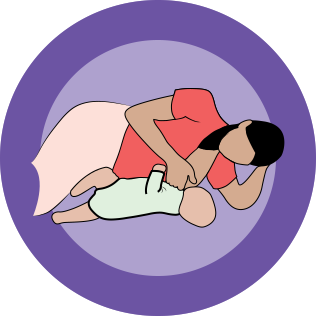
SIDE-LYING HOLD

Side-Lying Hold

  1. For the right breast, lie on your right side with your baby facing you.
  2. Pull your baby close. Your baby’s mouth should be level with your nipple.
  3. In this position, you can cradle your baby’s back with your left arm and support yourself with your right arm and/or pillows.
  4. Keep loose clothing and bedding away from your baby.
  5. Reverse for the left breast.

This hold is useful when:

  • You had a C-section
  • You want to rest while baby feeds
  • You are breastfeeding in the middle of the night
  • You and your baby are comfortable in this position
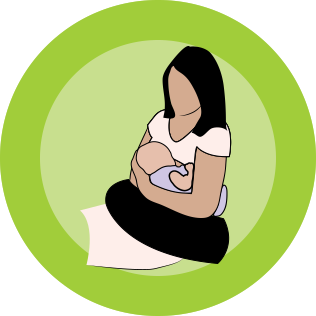
CROSS-CRADLE HOLD

Cross-Cradle Hold

  1. For the right breast, use your left arm to hold your baby’s head at your right breast and baby’s body toward your left side. A pillow across your lap can help support your left arm.
  2. Gently place your left hand behind your baby’s ears and neck, with your thumb and index finger behind each ear and your palm between baby’s shoulder blades. Turn your baby’s body toward yours so your tummies are touching.
  3. Hold your breast as if you are squeezing a sandwich. To protect your back, avoid leaning down to your baby. Instead, bring your baby to you.
  4. As your baby’s mouth opens, push gently with your left palm on baby’s head to help them latch on. Make sure you keep your fingers out of the way.
  5. Reverse for the left breast.

This hold is useful when:

  • Your baby is premature
  • Your baby has a weak suck
  • Your baby needs help to stay latched
  • Your baby needs extra head support
  • You and your baby are comfortable in this position
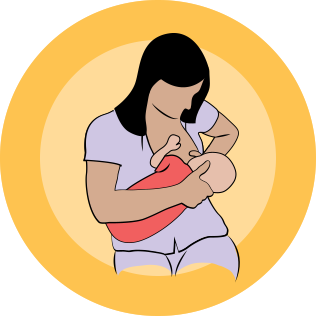
CLUTCH OR “FOOTBALL” HOLD

Clutch or “Football” Hold

  1. For the right breast, hold your baby level, facing up, at your right side.
  2. Put your baby’s head near your right nipple and support their back and legs under your right arm.
  3. Hold the base of your baby’s head with your right palm. A pillow underneath your right arm can help support your baby’s weight.
  4. To protect your back, avoid leaning down to your baby. Bring baby to you instead.
  5. Reverse for the left breast.

This hold is useful when:

  • You had a C-section
  • You have large breasts
  • You have flat or inverted nipples
  • You have a strong milk let-down
  • You are breastfeeding twins
  • Your baby likes to feed in an upright position
  • Your baby has reflux
  • You and your baby are comfortable in this position
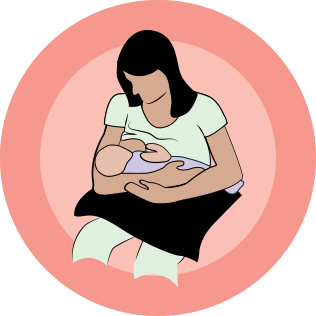
CRADLE HOLD

Cradle Hold

  1. For the right breast, cradle your baby with your right arm. Your baby will be on their left side across your lap, facing you at nipple level.
  2. Your baby’s head will rest on your right forearm with your baby’s back along your inner arm and palm.
  3. Turn your baby’s tummy toward your tummy. Your left hand is free to support your breast, if needed. Pillows can help support your arm and elbow.
  4. To protect your back, avoid leaning down to your baby. Instead, bring your baby to you.
  5. Reverse for the left breast.

This hold is useful when:

  • Your baby needs help latching on
  • You and your baby are comfortable in this position
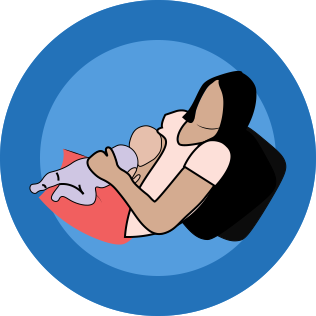
Laid-Back Hold

Laid-Back Hold

  1. Lean back on a pillow with your baby’s tummy touching yours and their head at breast level. Some moms find that sitting up nearly straight works well. Others prefer to lean back and lie almost flat.
  2. You can place your baby’s cheek near your breast, or you may want to use one hand to hold your breast near your baby. It’s up to you and what you think feels best.
  3. Your baby will naturally find your nipple, latch, and begin to suckle.

This hold is useful when:

  • Your baby is placed on your chest right after birth
  • You have a strong milk let-down
  • You have large breasts
  • You and your baby are comfortable in this position